Benefits of Industrial Racking Systems for Operational Safety
Warehouse safety is not only about training staff or marking walkways. It also depends on how inventory is stored, how equipment moves through the facility, and how stable the storage structure remains under daily pressure. When racking is outdated or poorly organized, the entire operation becomes more vulnerable to product damage, blocked access, and avoidable accidents. That is why investing in industrial racking systems supports more than storage capacity; it strengthens the overall safety of warehouse operations. A strong racking solution helps facilities stay organized, reduce risk, and build a workflow that protects employees and inventory at the same time.
Why operational safety depends on organized storage structures
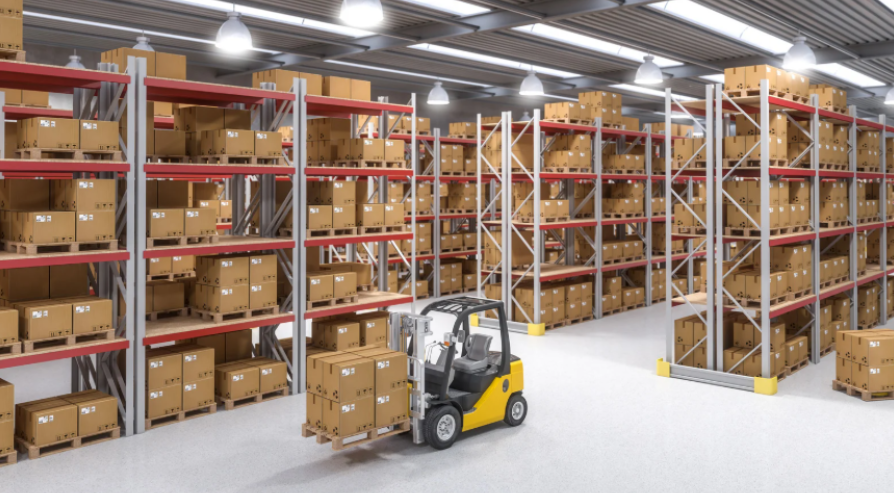
A warehouse is a fast-moving environment where forklifts, pallet jacks, and employees share the same space. Without a structured storage system, products end up stacked in unpredictable areas, creating hazards that slow productivity and increase the likelihood of injury. Industrial racking systems provide a clear framework that keeps inventory off the floor, prevents clutter, and improves the visibility of goods in storage.
When everything has a proper place, teams move more confidently and with fewer disruptions. This structure also reduces last-minute decision-making, which is a common cause of safety problems. Instead of figuring out where pallets should go, staff can follow a planned storage layout that supports safe handling and consistent organization.
How industrial racking improves forklift and equipment safety
Forklifts and other warehouse equipment need open, stable pathways to move efficiently. When racking is properly installed and matched to inventory weight, operators can load and unload pallets with more confidence. A well-designed racking layout also reduces unnecessary turning and tight maneuvering, which lowers the risk of accidental impact.
Industrial racking supports better equipment safety because it improves spacing and access. It helps guide consistent pallet placement, which reduces leaning loads and unstable stacking that could collapse. This creates a more predictable environment where operators can focus on accurate handling instead of working around storage issues.
Stronger load distribution and reduced collapse risk
Another major safety advantage is load management. Industrial racking is designed to hold weight properly when used correctly. Compared to unstructured floor stacking, racking distributes loads in a controlled way that reduces strain and instability.
Stable load distribution reduces the chances of falls, product shifting, and rack failure. This is especially important for warehouses storing heavy inventory or operating with high turnover volume, where racks are under constant use.
Supporting safer employee movement and daily workflow
Employee safety improves when the warehouse layout supports smoother movement. Workers can pick items faster when inventory is organized, and they can move through the facility without navigating cluttered zones. Industrial racking also supports clear picking routes, reducing the chance of employees walking into active equipment paths or hazardous storage areas.
Better organization also improves communication between departments. When receiving, picking, and shipping teams know where products belong, they can work with more coordination and less confusion. This reduces the rushed behavior that often leads to mistakes and injuries.
See also: Advanced Data Loss Protection Solutions for Business Security
Why choosing the right racking system is part of a safety strategy
Not every warehouse uses inventory the same way, and not every racking system fits every workflow. Choosing the wrong system can create access problems, slow productivity, and increase safety risks. That is why professional planning matters when implementing a racking solution. Warehouse teams often consider layout design, inventory weight, product dimensions, and equipment access before selecting a system. Understanding how to choose the right industrial racking system for your warehouse helps you improve storage efficiency, protect inventory, and maintain a safer workflow by matching the racking design to your space, load requirements, and daily operational demands.
Conclusion
Industrial racking systems play a major role in improving operational safety by creating organized storage, supporting stable load handling, and reducing hazards caused by cluttered warehouse flow. When inventory is stored in a structured way, forklifts move more safely, employees work with greater confidence, and risks linked to unstable stacking are significantly reduced. By selecting the right racking solution and maintaining it through proper planning and inspections, warehouses can create a safer environment that supports both productivity and long-term operational stability.