How Saltwater Fishing Clips Protect Your Line and Improve Performance
Saltwater fishing is demanding. From aggressive fish species to abrasive structure and constant exposure to salt, every part of your rig is under stress. One of the most overlooked yet important components in a saltwater setup is the fishing clip. Often called snap clips or lure clips, these small pieces of hardware play a huge role in protecting your fishing line and improving your overall fishing performance. When chosen and used correctly, saltwater fishing clips help extend the life of your line, make your rig more efficient, and even increase your catch rate.
This article explains how saltwater fishing clips work, why they matter, and how they contribute to better performance on the water.
Understanding Saltwater Fishing Clips
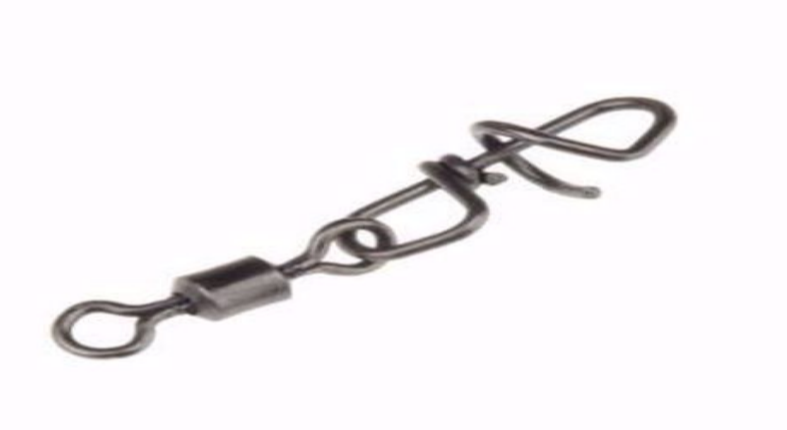
Saltwater fishing clips are metal connectors that allow anglers to attach lures, leaders, and terminal tackle to their fishing line without tying a new knot every time. They are typically made from stainless steel or other corrosion-resistant alloys to handle harsh marine environments.
Unlike basic snaps designed for freshwater use, saltwater fishing clips are built for strength, durability, and reliability. They can withstand heavy drag pressures, powerful runs, and repeated exposure to saltwater without bending or failing.
There are several types of fishing clips used in saltwater fishing, including:
- Snap clips
- Duo-lock snaps
- Fastach clips
- Ball bearing snap swivels
Each type serves a slightly different purpose, but they all share the same core goal: to provide a secure and flexible connection between your line and your lure or rig.
How Saltwater Fishing Clips Protect Your Fishing Line
Your fishing line is one of the most vulnerable parts of your setup. It is constantly under tension, rubbing against hardware, fish teeth, rocks, and structure. Saltwater fishing clips help protect your line in several important ways.
1. Reducing Knot Stress
Every time you tie a knot, you weaken your fishing line. Even the best knots reduce line strength by 10 to 30 percent. If you constantly change lures or rigs, you end up cutting and retying your line multiple times, shortening it and increasing the risk of breakage.
Fishing clips eliminate the need for frequent knot tying. You tie one strong knot to the clip, then simply attach or remove lures as needed. This reduces wear on the line and preserves its original strength.
2. Preventing Line Twist
Line twist is a major problem in saltwater fishing, especially when using spoons, jigs, or live bait. When a lure spins, it transfers that rotation directly into your fishing line, causing coils, tangles, and weakened sections.
Many saltwater fishing clips are combined with swivels that allow the lure to rotate freely without twisting the main line. This keeps your line straight, smooth, and much stronger over time.
3. Creating a Smooth Connection Point
Directly tying a lure to your line can create rough edges, especially if the lure has sharp split rings or wire loops. These can slowly wear down your line, particularly when fighting a fish.
A quality fishing clip acts as a buffer between your line and your lure. It creates a smooth, rounded connection point that reduces abrasion and helps prevent line damage.
How Fishing Clips Improve Overall Performance
Beyond protecting your line, saltwater fishing clips also improve how your entire rig performs in the water.
1. Faster and Easier Lure Changes
In saltwater fishing, conditions can change quickly. Fish may move deeper, switch feeding patterns, or respond better to a different lure. If you have to cut and retie every time you change lures, you waste valuable fishing time.
Fishing clips allow you to swap lures in seconds. This lets you experiment with different baits, colors, and sizes until you find what works, keeping your lure in the water and increasing your chances of hooking fish.
2. Better Lure Action
Some lures, especially hard baits and metal jigs, need freedom of movement to swim naturally. When tied directly to the line, a knot can restrict this movement.
A fishing clip gives the lure more room to move, allowing it to wobble, dart, or flutter more naturally. This lifelike action makes the lure more attractive to fish and can lead to more strikes.
3. Improved Rig Versatility
With fishing clips, you can easily switch between different rigs such as bottom rigs, trolling setups, and live bait leaders. This makes your setup far more versatile, especially when fishing in mixed environments where you may encounter different species.
Instead of carrying multiple rods, you can simply clip on a new rig and adapt to changing conditions.
Strength and Reliability in Harsh Conditions
Saltwater fishing puts enormous strain on tackle. Big fish like tuna, snapper, grouper, and kingfish can apply tremendous force, and any weak link in your rig can lead to a lost catch.
High-quality saltwater fishing clips are designed to handle heavy loads without bending or opening. They use strong wire designs and secure locking mechanisms that stay closed even under extreme pressure.
When you use the right size and strength clip for your target species, it becomes one of the most reliable parts of your setup rather than a weak point.
Choosing the Right Saltwater Fishing Clip
Not all fishing clips are created equal. Using a cheap or undersized clip can actually cause more problems than it solves. When selecting a clip, consider these factors:
- Material: Look for stainless steel or corrosion-resistant alloys.
- Strength rating: Choose a clip that exceeds the breaking strength of your line.
- Design: Duo-lock and Fastach styles offer extra security.
- Size: Match the clip size to your lure and target fish.
A good rule of thumb is to use the smallest clip that still provides enough strength for your fishing conditions. Smaller clips are less visible and allow better lure action.
Common Mistakes to Avoid
While fishing clips are incredibly useful, improper use can reduce their effectiveness.
One common mistake is using freshwater clips in saltwater. These will quickly rust and weaken. Another mistake is using clips that are too small or too light for the target species, which can cause them to open under pressure.
Always rinse your clips with fresh water after each trip and inspect them for wear or corrosion. Replacing worn clips is far cheaper than losing a trophy fish.
Why Professional Anglers Use Fishing Clips
Many experienced saltwater anglers rely on fishing clips because they know how much time, line, and frustration they save. In tournament and charter fishing, efficiency matters. The faster you can change lures and the more reliable your rig is, the better your results.
Fishing clips help professionals stay flexible, protect expensive braided and fluorocarbon lines, and keep their setups performing at a high level throughout the day.
Conclusion
Saltwater fishing clips may be small, but their impact on your fishing success is huge. By reducing knot stress, preventing line twist, and protecting your line from abrasion, they help extend the life of your tackle and reduce unexpected break-offs. At the same time, they improve lure action, speed up rig changes, and make your entire setup more versatile.
Whether you are fishing from the shore, a pier, or a boat in deep offshore waters, using high-quality saltwater fishing clips is one of the simplest ways to improve your performance and protect your investment in fishing gear. When chosen wisely and used correctly, these clips become a powerful tool that helps you fish smarter, longer, and more successfully.