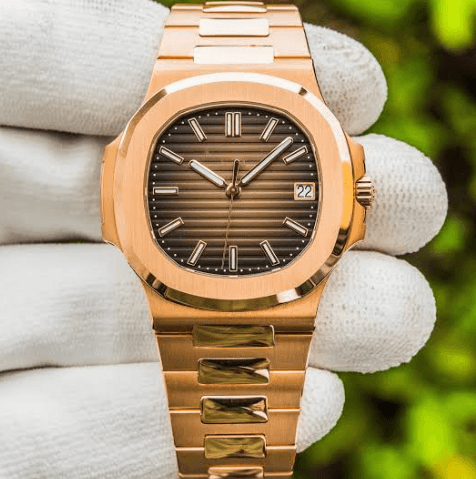
Patek Philippe Watches: The Generational Asset Case That Makes Every Other Luxury Purchase Look Like a Spending Decision
A 1989 Patek Philippe Ref. 2499 sold at Christie’s Geneva for over $5.7 million. The original retail price, adjusted for inflation, would not come anywhere close to that figure. No stock portfolio, no property in most markets, and certainly no other luxury item purchased in that era would replicate that kind of return with the same consistency.
That is not a fluke. It is a pattern.
Patek Philippe occupies a category almost entirely its own in the world of horology. Other luxury brands build beautiful watches. Very few build objects that behave like financial instruments while sitting on a wrist. Understanding why requires looking beyond the obvious prestige and into the specific mechanics that drive long-term value.
Why Patek Philippe Holds Value When Other Luxury Goods Do Not
Luxury cars depreciate the moment they leave the showroom. Designer handbags require pristine condition and perfect provenance to retain value. Fine art is illiquid and opaque. Patek Philippe watches, particularly certain references, have demonstrated consistent appreciation across decades.
The reasons are structural, not accidental.
Scarcity is enforced, not manufactured. Patek does not flood the market to meet demand. Annual production across the entire catalogue is estimated to sit somewhere between 50,000 and 65,000 pieces per year, a deliberately modest figure for a brand with global demand. Some references are produced in the hundreds, not thousands. That ratio between desire and availability keeps prices elevated.
Mechanical complexity commands a premium. Patek’s Grand Complications, including perpetual calendars, minute repeaters, and split-seconds chronographs, represent some of the most technically demanding watchmaking on the planet. The Calibre 89, created to celebrate the brand’s 150th anniversary, contained 1,728 individual components. These are not assembled on a production line. The knowledge required to produce them is finite and irreplaceable.
Heritage matters to buyers at every level. Founded in 1839 and family-owned by the Stern family since 1932, Patek has never been acquired by a luxury conglomerate. That independence is increasingly rare in modern watchmaking and it adds a layer of institutional trust that publicly traded competitors cannot easily replicate.
The References That Actually Appreciate
Not every Patek Philippe appreciates dramatically. Understanding which references have the strongest track record is essential for anyone treating these watches as more than personal enjoyment.
The Nautilus and Its Market Behaviour
The Ref. 5711, the steel Nautilus that was discontinued in 2021, immediately became one of the most discussed watches in the secondary market. Within months of the announcement, secondary market prices climbed to multiples of retail. Auctions and private sales regularly recorded figures between three and five times the original retail price for unworn examples.
The broader Nautilus family, including gold variants and more complex versions with annual calendars or chronographs, has shown similar resilience, though steel models have historically attracted the most speculative attention.
The Calatrava as a Quiet Compounder
Less dramatic in headline terms but remarkably consistent, the Calatrava is Patek’s defining dress watch. References like the 5196 and 5227 hold value partly because they represent the brand’s aesthetic foundations, and partly because buyers who purchase them tend to hold rather than flip. The resale market for well-preserved Calatravas is deep and stable.
Complications That Command a Category of Their Own
Perpetual calendar references, especially the 5140 and 5327, routinely trade at or above retail on the secondary market. Minute repeaters are rarer still and command significant premiums. If you ever encounter a Patek minute repeater in good condition with original papers, the asking price will reflect just how few exist outside museum collections and serious private holdings.
Vintage References
Vintage Patek is its own world. References from the 1950s through 1970s, particularly complicated pocket watches and early wristwatch complications, have produced some of the highest auction results in horological history. The Ref. 1518, the world’s first perpetual calendar chronograph wristwatch produced in series, and the Ref. 2499 that succeeded it, are benchmarks that serious collectors follow closely. Condition, originality, and provenance documentation are everything in this segment.
How Provenance and Condition Affect Value
A Patek Philippe with its original box, papers, and service history commands a measurable premium over an identical reference sold without documentation. In some cases the difference is 15 to 25 percent. For certain vintage references, papers and box can push the spread even higher.
Dial originality is another factor that divides serious collectors from casual buyers. A refinished dial, even a beautifully done one, is considered a significant detriment. Collectors and appraisers look for patina that is consistent with age, without evidence of restoration. Tropical dials, which have developed distinctive brown or chocolate tones through natural ageing, often attract outsized premiums precisely because they cannot be replicated.
Case sharpness matters too. Watches that have been over-polished lose their original case geometry. The bevels on a properly preserved Nautilus case, for example, are part of Gerald Genta’s original design. Heavy polishing rounds those edges and diminishes the watch both aesthetically and in terms of collector value.
When sourcing any pre-owned Patek, working with a specialist who can verify these details is not optional, it is essential. Platforms and retailers who provide thorough authentication documentation and honest condition reporting are worth seeking out. Wrist Aficionado operates at exactly this level, handling authentication and condition assessment across a carefully curated Patek Philippe inventory.
The Role of Authorized Dealers and the Secondary Market
Getting a desirable Patek at retail through an authorized dealer is genuinely difficult for most buyers. The most coveted references, particularly the Nautilus and certain Aquanaut variants, carry multi-year waitlists at authorized dealers, and allocation is often prioritized for existing clients with significant purchase histories.
This makes the secondary market not just a practical alternative but frequently the only realistic route. Prices on the secondary market reflect both scarcity and genuine collector demand, which is why certain references consistently trade above their original retail price even when purchased new.
For buyers approaching this market for the first time, the key is finding a seller who can demonstrate authenticity clearly. A reputable specialist will provide movement inspection records, authentication documentation, and honest disclosure of any service history or restoration work. This is where the broader collector community has converged on a handful of trusted sources rather than open marketplaces where verification is inconsistent.
Collectors researching pre-owned options would do well to explore Patek Philippe offerings from dealers who maintain transparent standards across their entire inventory.
Treating a Patek as Part of a Broader Asset Strategy
Financial advisors rarely include watches in formal portfolio discussions, but among ultra-high-net-worth collectors, watches often form a meaningful part of a broader alternative asset strategy. Knight Frank’s Luxury Investment Index has tracked watches as an asset class for years, and Patek Philippe consistently ranks as one of the strongest performers within that category.
This does not mean every Patek purchase will outperform the market. Watches lack the liquidity of equities, there are transaction costs on both ends, and storage and insurance add carrying costs. But for collectors who would be acquiring these pieces regardless of their financial characteristics, the appreciation potential is a genuine bonus rather than a speculative gamble.
The psychological dimension matters too. Unlike a bond or a share, a Patek Philippe Perpetual Calendar sits on your wrist and tells the date correctly without needing adjustment until 2100. The investment case and the ownership pleasure are not in conflict. That is a rare combination in any asset class.
For those building a collection with both personal and financial goals in mind, Wrist Aficionado provides a resource that bridges the gap between serious collector knowledge and practical market access.
Key Takeaways
- Patek Philippe’s value retention is structural, driven by limited production volumes, mechanical complexity, and independent family ownership
- The Nautilus, Calatrava, and grand complication references have the strongest track records for secondary market appreciation
- Condition, dial originality, and documentation (box and papers) materially affect both current value and future resale potential
- The secondary market is often the only realistic route to coveted references that carry waitlists at authorized dealers
- Treating a Patek as part of a broader alternative asset strategy is legitimate, provided buyers understand liquidity constraints and carrying costs
Frequently Asked Questions
Do all Patek Philippe watches increase in value over time? Not all references appreciate equally. Steel sports models and complicated dress watches have historically shown the strongest secondary market performance. Entry-level references in precious metals tend to hold value well but rarely produce dramatic appreciation. Research the specific reference carefully before treating any purchase as a financial decision.
What is the most important factor when buying a pre-owned Patek Philippe? Authentication and condition documentation are equally critical. A watch without original papers or with a refinished dial represents a meaningfully different asset than an unrestored example with complete provenance. Always buy from a source that provides verifiable authentication, not just a verbal assurance.
Is it worth buying a Patek Philippe without box and papers? It depends on your priorities. Without original documentation, resale value is genuinely impacted, often in the range of 15 to 25 percent for modern references and potentially more for vintage pieces. If the purchase is primarily for personal enjoyment and you plan to hold long-term, this may be acceptable. If you are thinking about future resale, incomplete documentation is a material consideration.
How does the Nautilus compare to the Aquanaut as a long-term investment? Both have strong secondary market demand, but the Nautilus, particularly steel references like the 5711, has historically generated stronger appreciation. The Aquanaut has a younger collector base and its resale profile is still developing relative to the Nautilus. Neither should be purchased purely as an investment, but both have demonstrated resilience in the secondary market.
Can a Patek Philippe watch be part of an estate or inheritance plan? Absolutely. Patek’s own marketing famously framed their watches as objects passed from one generation to the next, and the secondary market validates that framing. Well-documented watches in excellent condition retain and often grow in value over decades. They are, however, not perfectly liquid assets, so they work best as part of a broader estate that includes more liquid holdings.
See also: Advanced Data Loss Protection Solutions for Business Security
Conclusion
The case for Patek Philippe is not built on marketing copy or brand mythology. It is built on auction records, secondary market behaviour, production economics, and the kind of mechanical artistry that takes decades to develop and cannot simply be scaled to meet demand.
Understanding which references to prioritize, how condition affects value, and where to source authenticated pieces without overpaying is genuinely useful knowledge for anyone entering this market. These are not impulse purchases. Approached thoughtfully, they are among the few luxury acquisitions that age better than the person wearing them.