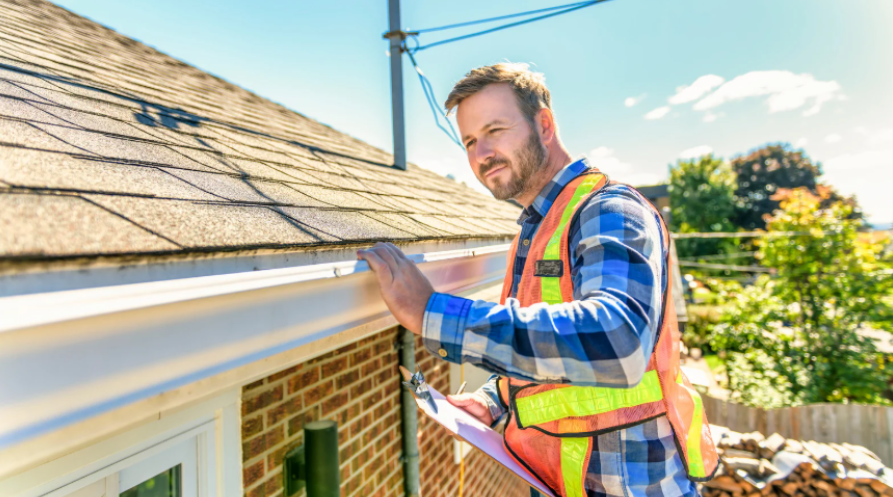
What Roofers Look for During a Roof Inspection
A roof inspection is a detailed evaluation that helps determine the condition of a roofing system and identify potential concerns before they become serious problems. Exposure to weather, seasonal changes, and natural aging can gradually affect roofing materials even when damage is not immediately visible. When a roofer in Alpharetta conducts an inspection, the goal is to assess both surface-level conditions and underlying structural elements. These inspections provide valuable insight into roof performance and longevity. Understanding what professionals examine during an inspection helps clarify why this process is essential for maintaining roof integrity. A thorough evaluation focuses on prevention accuracy and long-term protection.
Surface Condition of Roofing Materials
The first area roofers examine is the visible condition of roofing materials. Shingles panels or tiles are checked for signs of wear, such as cracking, curling, or loss of protective granules. These indicators suggest that materials may be nearing the end of their functional lifespan or have been affected by environmental stress.
Roofers also look for missing or displaced materials, which can expose the roof to water intrusion. Even small gaps can allow moisture to penetrate and cause damage beneath the surface. By identifying these issues early, professionals help prevent further deterioration and protect the roof structure. Roofs are constantly exposed to sun, rain, wind, and debris. Inspections assess how these elements have affected material durability and whether repairs are needed to restore protective coverage.
Flashing and Seal Integrity
Flashing plays a critical role in preventing water from entering vulnerable areas such as roof valleys, chimneys, vents, and skylights. During an inspection, roofers carefully examine flashing for rust, cracks, or separation. Damaged flashing is a common source of leaks and often requires attention before surrounding materials are affected.
Sealants used around joints and penetrations are also inspected for signs of drying or separation. When seals fail moisture can enter the roofing system and compromise insulation and decking. Proper sealing helps maintain a watertight barrier across the roof.
Structural and Decking Assessment
Beyond surface materials, roofers assess the condition of the roof decking and underlying structure. Soft spots, uneven areas, or sagging sections may indicate moisture damage or weakened support. These concerns are not always visible from below and require professional evaluation from the roof surface.
Structural assessment helps determine whether the roof can continue to support its load effectively. Identifying early signs of weakness allows corrective action before more extensive damage develops.
Identifying Hidden Moisture Issues
Moisture trapped beneath roofing materials can lead to rot and mold growth. Inspections help detect these hidden issues before they spread and affect larger portions of the roof. Proper drainage is essential for preventing water buildup on the roof. Roofers inspect gutters, downspouts, and roof slopes to ensure water flows away efficiently. Blockages or poor drainage can cause standing water, which increases wear and accelerates material breakdown. Ventilation is also evaluated to ensure heat and moisture are properly released from the attic space. Poor ventilation can cause temperature imbalance, leading to premature aging of roofing materials and increased energy strain on the building.
See also: Small Block Garage Solutions: What to Consider in Brisbane Homes
Workmanship and Installation Quality
Inspections also review the quality of past installation and repair work. Roofers look for improper fastening alignment issues or incompatible materials that may affect performance. Even high-quality materials can fail if they are not installed correctly.
Understanding whether roofers have to be licensed provides insight into why proper training and standards matter when evaluating workmanship. Professional oversight ensures roofing systems meet structural and safety requirements.
Conclusion
Roof inspections provide a comprehensive assessment of both visible and hidden elements that affect roof performance. From surface materials and flashing to structure, drainage, and ventilation, roofers examine every component that contributes to roof integrity. This detailed evaluation helps identify issues early and supports long-term durability. Understanding what roofers look for during an inspection highlights the importance of professional expertise in protecting roofing systems and preserving building stability over time.