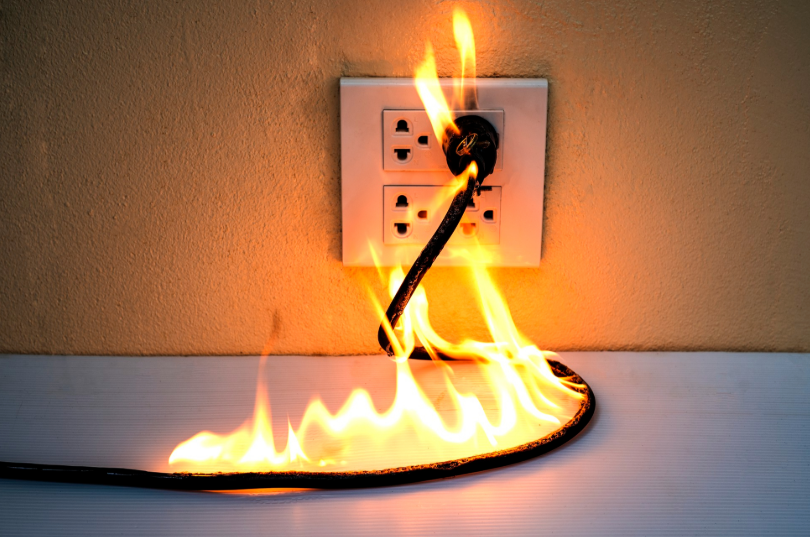
How Short Circuits Affect Electrical Safety
Electrical systems power nearly every aspect of modern life, from homes and offices to factories and infrastructure. While electricity brings convenience and efficiency, it also comes with risks when systems are not properly designed, installed, or maintained. One of the most common and dangerous electrical faults is a short circuit. Understanding how short circuits occur, why they are hazardous, and how they can be prevented is essential for ensuring electrical safety in residential, commercial, and industrial environments.
To gain a clear technical understanding of this electrical fault, resources such as Short circuit explain the causes, behavior, and risks associated with short circuits in a way that is accessible to both professionals and non-experts.
What Is a Short Circuit?
A short circuit happens when electricity flows along an unintended path with little or no resistance. Normally, electrical current travels through wires and components designed to safely control its flow. When insulation fails, wires touch, or faulty components create a direct connection, electricity bypasses its intended route.
This sudden drop in resistance causes a surge of current that can generate intense heat, sparks, or even explosions. Because of this, short circuits are among the leading causes of electrical fires worldwide.
Common Causes of Short Circuits
Short circuits can occur for many reasons, ranging from poor installation to natural wear and tear. Identifying common causes helps reduce the likelihood of dangerous failures.
Typical causes include:
- Damaged or aging insulation
- Loose or exposed wiring
- Faulty electrical appliances
- Moisture intrusion
- Rodent damage to cables
In industrial settings, vibration, heat, and heavy electrical loads further increase the risk.
Types of Short Circuits
Not all short circuits are the same. Understanding the different types helps electricians and engineers diagnose and address issues more effectively.
The main types include:
- Normal short circuit: Live wire touches neutral wire
- Ground short circuit: Live wire contacts a grounded surface
- Arc fault: Electricity jumps through air between conductors
Each type presents unique hazards and requires specific protective measures.
Why Short Circuits Are Dangerous
The danger of a short circuit lies in the rapid release of energy. When current increases suddenly, wires and components can overheat almost instantly.
Potential risks include:
- Electrical fires
- Equipment damage
- Electric shock injuries
- Power outages
- System-wide failures
In industrial environments, the consequences can be especially severe, affecting production, safety, and infrastructure.
Impact on Electrical Equipment
Electrical equipment is designed to handle specific voltage and current levels. A short circuit overwhelms these limits, often destroying sensitive components.
Common effects on equipment include:
- Burnt circuit boards
- Melted wiring
- Tripped breakers or blown fuses
- Permanent appliance failure
Even if damage is not immediately visible, repeated exposure to short circuits shortens equipment lifespan.
Short Circuits in Residential Settings
In homes, short circuits are often caused by worn-out wiring, overloaded outlets, or faulty appliances. Older houses are especially vulnerable due to outdated electrical systems.
Warning signs homeowners should watch for:
- Frequent breaker trips
- Burning smells near outlets
- Flickering lights
- Warm or discolored switches
Ignoring these signs increases the risk of fire and injury.
Industrial and Commercial Risks
In commercial and industrial facilities, short circuits pose even greater risks due to higher voltages and more complex systems. Machinery downtime, data loss, and worker injuries are common consequences.
Industries often face:
- Costly production delays
- Damage to expensive equipment
- Increased insurance claims
- Regulatory compliance issues
This makes proactive electrical safety planning essential.
See also: Advanced Breast Augmentation Surgery for Balanced, Natural-Looking Proportions
The Role of Circuit Breakers and Fuses
Protective devices are the first line of defense against short circuits. Circuit breakers and fuses are designed to interrupt electrical flow when current exceeds safe levels.
Their functions include:
- Cutting power instantly during faults
- Preventing overheating
- Reducing fire risk
- Protecting connected devices
Modern systems rely heavily on these components to maintain safety.
How Electrical Codes Improve Safety
Electrical codes and standards exist to minimize the risk of short circuits. These guidelines regulate wire sizing, insulation quality, grounding methods, and protective devices.
Benefits of code compliance:
- Reduced accident risk
- Improved system reliability
- Easier troubleshooting
- Legal and insurance protection
Following established standards is critical for both safety and efficiency.
Importance of Proper Installation
Many short circuits result from improper installation. Incorrect wiring connections, undersized cables, or poor grounding increase failure risks.
Professional installation ensures:
- Correct material selection
- Secure connections
- Adequate insulation
- Compliance with safety standards
This significantly lowers the chance of electrical faults.
Preventive Maintenance and Inspections
Routine inspections help identify early signs of wear or damage before they lead to short circuits. Maintenance is especially important in high-use or harsh environments.
Preventive steps include:
- Checking insulation condition
- Tightening loose connections
- Replacing damaged components
- Monitoring load levels
Regular maintenance reduces unexpected failures and improves safety.
Advances in Electrical Safety Technology
Modern electrical systems benefit from advanced safety technologies designed to detect and prevent faults more effectively.
Examples include:
- Arc-fault circuit interrupters (AFCIs)
- Ground-fault circuit interrupters (GFCIs)
- Smart breakers with monitoring features
- Thermal sensors and alarms
These innovations provide faster response and greater protection.
Short Circuits and Fire Prevention
Electrical fires often start silently behind walls or inside equipment. Short circuits are a leading ignition source.
Fire prevention strategies include:
- Using flame-retardant materials
- Ensuring proper ventilation
- Avoiding overloaded circuits
- Installing smoke detectors
Electrical safety and fire prevention go hand in hand.
Training and Awareness
Human error contributes to many electrical accidents. Proper training and awareness help reduce risky behaviors and improve response times.
Effective training covers:
- Safe equipment handling
- Recognizing warning signs
- Emergency response procedures
- Lockout and tagout practices
Educated users are a key part of electrical safety.
Global Supply Chains and Electrical Standards
As electrical components are sourced globally, quality and compliance become even more important. Reliable sourcing ensures components meet international safety standards.
Global supply chains must consider:
- Certification requirements
- Manufacturing quality control
- Material consistency
- Regulatory differences
This helps prevent component-related failures.
Long-Term Benefits of Electrical Safety
Investing in electrical safety reduces long-term costs and risks. While prevention requires upfront effort, the benefits far outweigh the expense.
Long-term advantages include:
- Fewer accidents
- Reduced maintenance costs
- Extended equipment life
- Improved operational reliability
Safety-focused systems perform better over time.
Final Thoughts on Short Circuit Prevention
Short circuits are a serious but preventable electrical hazard. By understanding their causes, recognizing warning signs, and following best practices, individuals and organizations can significantly reduce risk. Proper installation, quality components, routine maintenance, and modern protective devices all play critical roles in preventing dangerous electrical faults.
For a detailed explanation of how short circuits work and why they matter, lianjer.com provides valuable insights that support safer electrical system design and management.