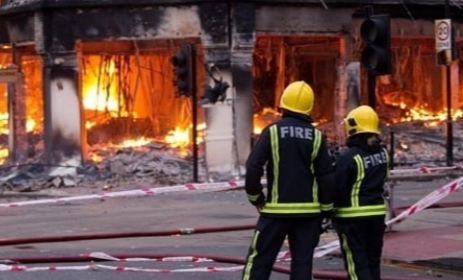
Fire Risk Assessment and Risk Reduction Strategies
Fire is one of the most destructive hazards that can threaten lives, property, and the environment. Whether in residential buildings, commercial premises, or industrial facilities, fire incidents can lead to devastating consequences if not properly managed. To mitigate these risks, it is crucial to conduct a thorough fire risk assessment and implement effective risk reduction strategies. This article explores the importance, process, and best practices for fire risk management.
Understanding Fire Risk Assessment
A fire risk assessment is a systematic evaluation of potential fire hazards, the likelihood of a fire occurring, and the potential consequences if it does. The primary goal is to identify risks and implement measures to minimize them. It is not just a legal requirement in many countries but also a fundamental safety practice for protecting lives and property.
Key Components of Fire Risk Assessment
- Identifying Fire Hazards
The first step involves recognizing potential sources of fire, which may include electrical equipment, flammable materials, heating systems, cooking appliances, and even human activities. Every possible ignition source should be documented and evaluated for risk. - Evaluating the Risk
After identifying hazards, the next step is to evaluate the risk associated with each. This includes determining the likelihood of a fire occurring and the potential severity of its impact on people, property, and operations. - Identifying People at Risk
Consideration must be given to everyone in the premises, including employees, residents, visitors, and vulnerable groups such as children, elderly people, and individuals with disabilities. This ensures that safety measures are tailored to protect everyone effectively. - Implementing Control Measures
Risk assessment must lead to actionable steps. These may include installing fire detection systems, providing fire extinguishers, maintaining clear escape routes, and enforcing safe storage practices for flammable materials. - Recording Findings and Action Plans
Documenting the hazards, risks, and mitigation strategies is crucial for compliance and accountability. A written record helps track improvements and ensure regular updates. - Reviewing and Updating
Fire risk assessment is not a one-time task. Regular reviews are necessary, especially when there are changes in the building structure, processes, or occupancy. This ensures ongoing protection against evolving risks.
Read Also: New Home Construction vs Home Renovation: Which Offers Better Value?
Fire Risk Reduction Strategies
After assessing fire risks, the next step is to adopt risk reduction strategies to minimize the likelihood of fire and its consequences. Effective strategies include:
1. Prevention Measures
- Safe Electrical Practices: Regular inspection of wiring, appliances, and circuit breakers reduces the chance of electrical fires.
- Proper Storage: Flammable liquids, gases, and combustible materials must be stored in approved containers and areas away from ignition sources.
- Smoking Policies: Implementing designated smoking areas and enforcing strict no-smoking policies inside buildings.
2. Fire Detection and Alarm Systems
Early detection can save lives. Fire alarms, smoke detectors, and heat sensors should be installed strategically throughout the premises. These systems alert occupants promptly, allowing safe evacuation.
3. Firefighting Equipment
Fire extinguishers, sprinkler systems, and hose reels are essential for controlling small fires before they spread. Regular maintenance and training staff in their use are critical for effective response.
4. Emergency Preparedness and Training
- Evacuation Plans: Clear, well-marked escape routes and emergency exits are vital for safe evacuation.
- Fire Drills: Regular drills help occupants familiarize themselves with emergency procedures.
- Training: Staff should be trained on fire safety practices, use of firefighting equipment, and first response actions.
5. Building Design and Maintenance
- Fire-Resistant Materials: Using fire-resistant materials in construction reduces fire spread.
- Compartmentalization: Dividing large spaces into compartments can prevent fire from spreading rapidly.
- Regular Maintenance: Routine inspection of electrical systems, HVAC systems, and fire protection equipment ensures functionality and reduces hazards.
6. Compliance with Fire Safety Regulations
Adhering to local fire codes and safety regulations ensures that all safety measures meet legal requirements. Compliance not only protects occupants but also mitigates liability in case of fire incidents.
Conclusion
Conducting a thorough fire risk assessment and implementing robust risk reduction strategies are essential steps in protecting lives, property, and business operations. Prevention, early detection, emergency preparedness, and regulatory compliance form the backbone of effective fire safety. Organizations and individuals who proactively address fire risks can significantly reduce the likelihood of fire incidents and minimize potential damages. Remember, fire safety is a continuous process that requires regular review, training, and updates to ensure ongoing protection.
FAQs: Fire Risk Assessment and Risk Reduction
Q1: How often should a fire risk assessment be conducted?
A: Fire risk assessments should be conducted at least annually and immediately after any significant changes in the building, processes, or occupancy.
Q2: Who can perform a fire risk assessment?
A: A trained fire safety professional or competent person with knowledge of fire hazards, fire safety regulations, and emergency procedures should perform the assessment.
Q3: What is the difference between fire risk assessment and fire prevention?
A: Fire risk assessment identifies potential hazards and evaluates risks, while fire prevention involves implementing measures to reduce the likelihood of fire occurring.
Q4: Are fire drills necessary for small businesses?
A: Yes, regular fire drills are important for all organizations, regardless of size, to ensure everyone knows how to respond during an emergency.
Q5: Can proper maintenance reduce fire risks?
A: Absolutely. Regular inspection and maintenance of electrical systems, fire alarms, extinguishers, and storage areas are crucial in reducing fire hazards.