How Aging Duct Systems Contribute to Indoor Dust Problems
Indoor dust ranks among the most common comfort complaints homeowners face. Surfaces look dusty shortly after cleaning, air feels stale, and allergies seem worse indoors than outside. Many people blame outdoor air, pets, or household habits, yet the real source often hides inside the walls and ceilings. Aging duct systems play a major role in how dust moves, settles, and circulates through a home.
Ductwork acts as the delivery network for heated and cooled air. Over time, that network changes in ways that invite dust into living spaces. Understanding how older ducts contribute to dust problems helps homeowners take practical steps toward cleaner indoor air.
Duct Systems Age Even When They Look Fine
Most duct systems last decades, but age affects them quietly. Metal seams loosen, flexible ducts sag, insulation breaks down, and connections shift as homes settle. These changes create openings that pull dust from places air was never meant to travel.
Attics, crawl spaces, wall cavities, and garages contain high levels of dust. Aging ducts often develop gaps that allow that debris to enter the airflow. Once inside, dust travels straight to supply vents and into living areas.
Small Leaks Create Big Dust Pathways
Duct leaks remain one of the largest contributors to indoor dust. Even small openings act like vacuums, pulling particles into the system whenever it runs.
Common leak points include:
- Loose joints and seams
- Deteriorated tape or sealant
- Gaps around boots at ceilings or floors
- Cracks in older sheet metal ducts
Air pressure inside ducts draws surrounding debris inward. That debris bypasses filters and enters rooms directly.
Return Duct Leaks Pull Dust Into the System
Supply ducts push air out, but return ducts pull air back toward the system. Leaks in return ducts create strong suction points.
Return leaks pull dust from attics, wall cavities, and crawl spaces. That dust mixes with indoor air and circulates repeatedly through the home. Homes with dusty air often have return leaks rather than supply issues.
Old Insulation Breaks Down Inside Ducts
Many older ducts contain internal insulation. Over time, that insulation degrades. Fibers loosen and break free, especially when airflow changes or moisture enters the system.
Those fibers resemble household dust and travel through vents. Homeowners notice fine particles settling on furniture and floors even with frequent cleaning.
Replacing or sealing deteriorated insulation reduces fiber release and improves air quality.
Flexible Ducts Trap and Release Dust
Flexible ducts became popular for their low cost and ease of installation. With age, these ducts sag, kink, and collect debris. Dust settles in low spots where airflow slows. Each system cycle stirs that buildup and sends particles back into rooms.
Sagging ducts also develop cracks in the inner liner, allowing dust from surrounding spaces to enter.
Older Homes Lack Proper Duct Sealing
Many older duct systems were installed before modern sealing standards existed. Builders relied on friction fits or minimal fastening. Without proper sealing, ducts leak air and collect debris. Over time, those leaks grow larger as materials expand and contract with temperature changes.
Modern sealing methods dramatically reduce dust infiltration compared to older practices.
Construction Dust Lingers in Aging Ducts
Homes built or remodeled years ago may still contain construction dust inside ducts. Drywall dust, sawdust, insulation fibers, and debris settle and remain undisturbed for long periods.
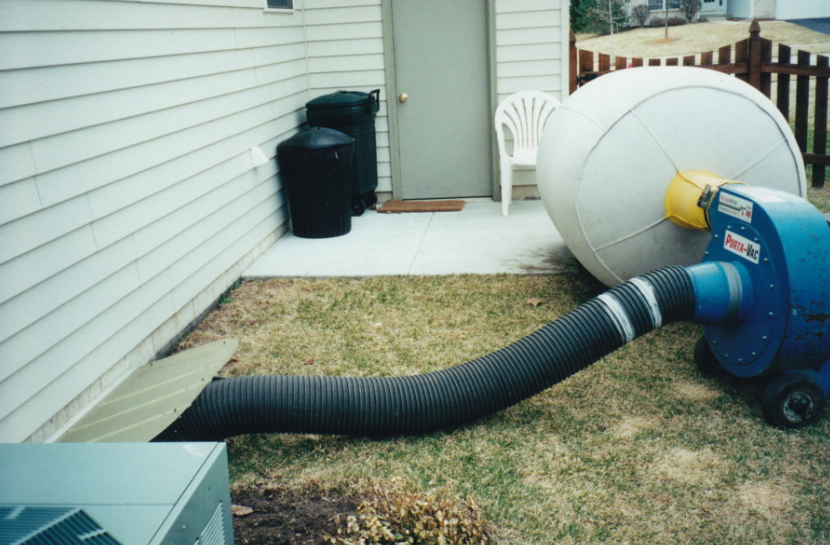
As ducts age, airflow shifts loosen that debris. Dust releases into rooms even though the construction ended long ago. Cleaning and sealing ducts removes old debris and prevents recirculation.
Negative Pressure Pulls Dust Inside
Homes with aging ducts often experience pressure imbalance. Leaks create negative pressure zones that pull outside air into the system.
That air carries dust from attics, crawl spaces, and garages. Instead of drawing clean indoor air through returns, the system pulls contaminated air from unwanted locations. Balanced duct systems prevent pressure-related dust issues.
Poorly Sealed Registers Add Dust
Registers connect ducts to rooms. Gaps around registers allow dust to fall directly into ducts from wall or ceiling cavities.
Every time the system runs, that dust blows back into the room. Over years, this cycle repeats constantly. Sealing register boots stops debris from entering at these common problem points.
See also: Tips for Buying Homes in Zibata, Monterrey
Duct Design Affects Dust Movement
Older duct designs often include sharp turns, dead ends, and long runs. These features create turbulence that causes dust to settle.
As airflow changes, settled dust becomes airborne again. Homes experience recurring dust even after cleaning. Modern designs favor smoother airflow that reduces dust accumulation.
Filters Cannot Catch All Duct Dust
Air filters catch particles that pass through the system, but they cannot stop dust entering through leaks after the filter. Return leaks introduce dust downstream of the filter. That dust bypasses filtration completely and moves straight to living spaces.
Relying on filters alone does not solve duct-related dust problems.
Aging Duct Tape Fails Over Time
Older duct tape dries out, peels, and cracks. As it fails, gaps open along seams and joints.
Those openings act as dust entry points. The tape itself may also break down and contribute particles to the airflow. Proper sealing methods last longer and prevent dust infiltration.
Moisture Makes Dust Problems Worse
Moisture inside ducts causes dust to clump and stick. Over time, those clumps break apart and release larger bursts of particles.
Condensation from cooling cycles or roof leaks worsens insulation breakdown and dust release. Addressing moisture sources helps control dust at its origin.
Dust Travels Faster Through Leaky Ducts
Leaky ducts change airflow speed and direction. Air rushes through gaps at higher velocities, pulling more debris into the system.
That debris reaches rooms faster and settles more widely. Homes with leaky ducts experience heavier dust buildup throughout the space. Sealed ducts stabilize airflow and reduce dust spread.
Older Ducts Lack Modern Filtration Support
Many aging systems were not designed to support higher-quality filters. Narrow return pathways restrict airflow when filters improve.
Homeowners often downgrade filters to maintain airflow, allowing more dust to circulate. Upgrading duct design supports better filtration without sacrificing comfort.
Dust Settles Where Airflow Weakens
Aging ducts often deliver uneven airflow. Some rooms receive strong air, others receive weak flow.
Dust settles faster in low-flow rooms, making them harder to keep clean. That dust often recirculates once airflow shifts. Balanced ducts distribute air evenly and reduce dust hotspots.
Pets Magnify Duct Dust Problems
Homes with pets experience higher dust loads. Pet hair and dander enter ducts through returns and leaks. Aging duct systems allow that debris to circulate repeatedly. Without proper sealing, pet-related dust spreads throughout the home.
Improving duct integrity helps manage pet-related indoor air issues.
Dust Buildup Signals Hidden Duct Problems
Persistent dust usually signals an underlying issue rather than cleaning habits. Aging ducts quietly contribute to the problem until addressed directly.
Common warning signs include:
- Dust returning quickly after cleaning
- Visible dust blowing from vents
- Dust collecting near registers
- Increased allergy symptoms indoors
These signs often point to duct leaks or deterioration.
Duct Improvements Reduce Dust Long Term
Addressing duct age issues delivers lasting dust reduction. Sealing leaks, repairing insulation, and correcting airflow problems limit dust entry and circulation.
Homes feel cleaner, air smells fresher, and surfaces stay dust-free longer. Heating and cooling systems also run more efficiently once airflow stabilizes.
Aging Ducts Affect More Than Comfort
Dust impacts more than cleanliness. It affects breathing comfort, system efficiency, and equipment lifespan. By understanding how aging duct systems contribute to indoor dust problems, homeowners can focus efforts where they matter most.
Cleaner air starts with a tighter, healthier duct system that supports comfort at every vent.