Pre Purchase Building Inspection: Why It’s Essential Before Buying a Property
A pre purchase building inspection is one of the most important steps in the property buying process. Before committing to a property, buyers need a clear understanding of its condition to avoid unexpected issues after settlement. This type of inspection provides an independent assessment of the building and helps buyers make informed decisions based on professional findings rather than assumptions.
Properties can appear well-maintained on the surface, yet still have underlying issues that may not be obvious during a casual walkthrough. A pre purchase building inspection is designed to identify visible defects, safety concerns, and signs of structural problems before finalising a purchase.
What Is a Pre Purchase Building Inspection?
A pre purchase building inspection is a professional evaluation of a property conducted before the buyer completes the transaction. The purpose of the inspection is to assess the condition of the building at a specific point in time and highlight any existing issues that may require attention.
The inspection typically covers the accessible areas of the property, including internal and external components. While the process is non-invasive, experienced inspectors are trained to identify signs that may indicate deeper concerns.
This type of inspection is commonly used for houses, townhouses, and residential properties of all ages, from newly built homes to older dwellings.
Why a Pre Purchase Building Inspection Is Important
Buying a property is a significant decision, and having accurate information is essential. A pre purchase building inspection helps reduce uncertainty by providing a professional overview of the building’s condition.
The inspection can help buyers:
- Identify existing defects before purchase
- Understand the overall condition of the property
- Recognise potential safety concerns
- Avoid relying solely on visual appearance
- Make confident, informed decisions
By understanding the condition of the property early, buyers are better prepared for ownership responsibilities.
What a Pre Purchase Building Inspection Covers
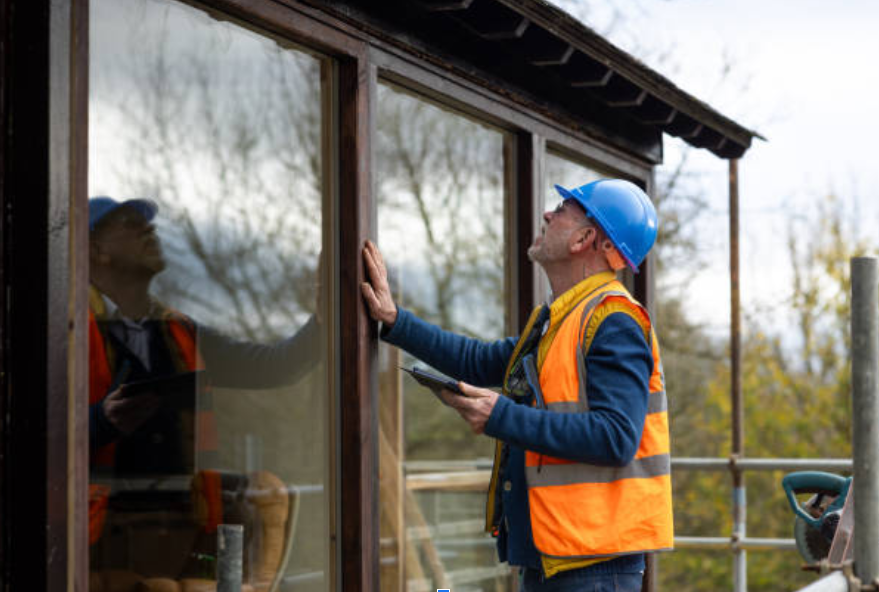
During a pre purchase building inspection, the inspector examines key elements of the property that affect safety, structure, and functionality. The inspection focuses on visible and accessible areas.
Common areas assessed include:
- Foundations and structural elements
- Walls, ceilings, and floors
- Roof structure and drainage systems
- Windows, doors, and frames
- Signs of moisture damage or dampness
- External features such as pathways and cladding
Each of these areas is reviewed carefully to identify any concerns that may impact the property.
Understanding Common Issues Identified During Inspections
A pre purchase building inspection often reveals issues that may not be noticeable during a standard viewing. These can range from minor maintenance concerns to more significant structural observations.
Common findings may include:
- Cracks in walls or brickwork
- Uneven or sloping floors
- Water stains or moisture-related damage
- Roof wear or drainage concerns
- Deterioration of materials due to age
While not all findings are serious, having them documented allows buyers to understand the property’s condition clearly.
See also: Tips for Buying Homes in Zibata, Monterrey
The Importance of an Independent Assessment
One of the key benefits of a pre purchase building inspection is the independence of the assessment. The inspector works solely to evaluate the building and does not have an interest in the outcome of the sale.
This objective approach ensures that the inspection report reflects the actual condition of the property at the time of inspection. Buyers can rely on the findings as a factual reference when considering their next steps.
Independence is particularly valuable in competitive markets, where decisions are often made quickly.
The Inspection Report and What It Includes
Following the inspection, buyers receive a detailed report outlining the inspector’s findings. This document serves as a valuable reference and provides clarity on the condition of the property.
A typical pre purchase building inspection report includes:
- A summary of the inspection scope
- Descriptions of identified defects
- Photographic evidence where applicable
- Notes on areas that may require attention
- General maintenance observations
The report is written in clear language to ensure it is easy to understand, even for those without construction knowledge.
Using Inspection Findings to Make Informed Decisions
The information provided in a pre purchase building inspection allows buyers to move forward with confidence. Whether the findings reveal minor issues or more significant concerns, having accurate information supports better decision-making.
Buyers can use the report to:
- Plan future maintenance
- Seek further professional advice if needed
- Understand the responsibilities of ownership
- Avoid unexpected surprises after purchase
The goal of the inspection is not to discourage buyers but to ensure they are fully informed.
Pre Purchase Inspections for Different Property Types
A pre purchase building inspection is suitable for various residential property types, including standalone houses, townhomes, and older dwellings. Each property type presents unique characteristics and potential challenges.
Older homes may show signs of age-related wear, while newer properties may still have construction-related issues. An inspection provides insight into both scenarios, helping buyers understand what to expect.
Final Thoughts
A pre purchase building inspection is an essential part of buying a property, offering clarity, transparency, and professional insight. By identifying visible defects and safety concerns early, buyers are better equipped to make informed decisions and plan for the future.
Rather than relying on appearances alone, a professional inspection provides factual information that supports confident property ownership from the very beginning.