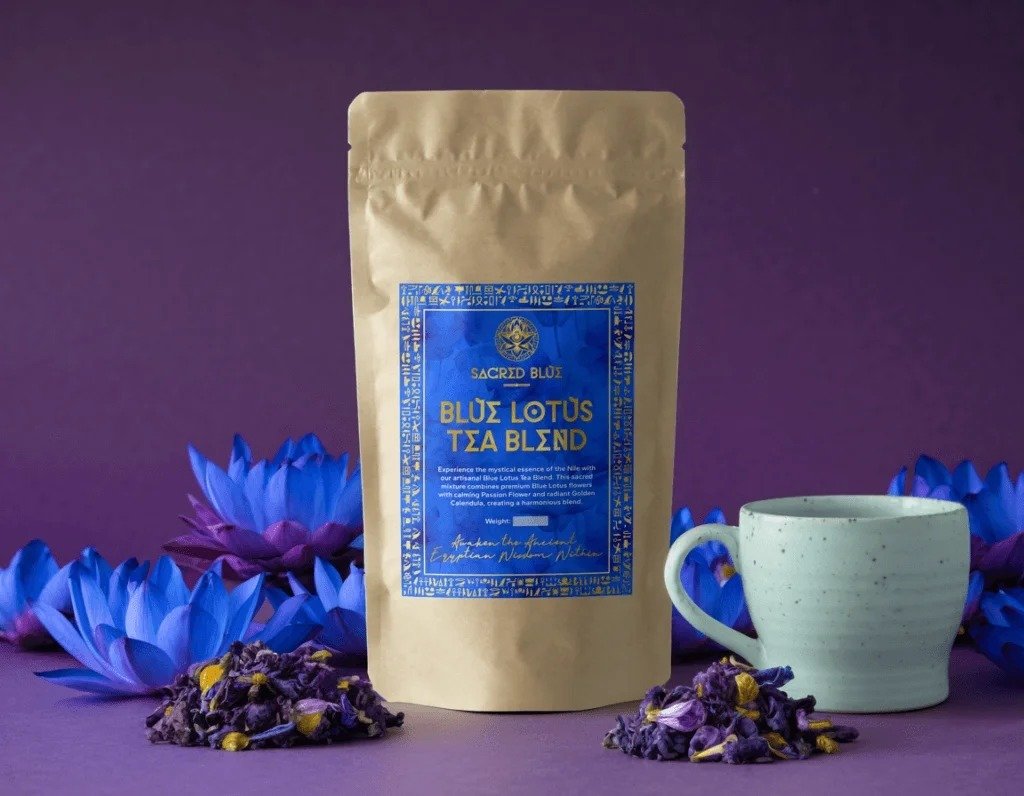
Blue Lotus Tea: The Ancient Flower Brew with Modern Benefits
For centuries, Blue lotus tea has captivated civilizations with its mystical aroma, serene flavor, and powerful effects on the mind and body. Revered by the ancient Egyptians as a sacred plant symbolizing rebirth and enlightenment, the blue lotus (Nymphaea caerulea) is far more than a beautiful water lily—it’s a botanical treasure steeped in spiritual, cultural, and medicinal importance.
In recent years, this exotic flower has found its way back into modern herbal wellness routines, offering a natural way to relax, dream, and connect with ancient traditions.
The Historical Significance of Blue Lotus Tea
Sacred Symbol of the Ancient Egyptians
The story of blue lotus begins along the fertile banks of the Nile River. For the ancient Egyptians, the flower represented the sun, creation, and rebirth. Each morning, it opened its petals with the rising sun and closed them at night, mirroring the cycle of life and death.
Hieroglyphs, temple carvings, and tomb paintings depict Egyptian gods and pharaohs surrounded by blue lotus flowers, often used in spiritual rituals and celebrations. The flower was also believed to have psychoactive properties, which priests and shamans used during ceremonies to induce meditation and heightened awareness.
Blue Lotus in Other Ancient Cultures
Beyond Egypt, the blue lotus found its way into Indian and Southeast Asian traditions. In these regions, it became associated with divine beauty, purity, and spiritual awakening—symbolic meanings that persist today. Ancient healers used the flower to prepare infusions believed to soothe nerves, promote lucid dreams, and restore emotional balance.
What Is Blue Lotus Tea?
Blue lotus tea is a soothing herbal infusion made from the dried petals (and occasionally stamens) of the Nymphaea caerulea plant. Unlike traditional teas derived from Camellia sinensis (such as green or black tea), this brew contains no caffeine. Instead, it provides mild psychoactive and calming effects, thanks to its unique alkaloid compounds—most notably apomorphine and nuciferine.
When steeped in hot water, blue lotus petals release a delicate floral aroma and a subtly sweet, earthy flavor. The experience is not only sensory but also deeply relaxing, making it a favorite for meditation, stress relief, and spiritual practices.
The Chemistry Behind Blue Lotus Tea
Key Active Compounds
- Apomorphine – A natural compound known for its dopamine-boosting effects. It can promote feelings of euphoria, improve mood, and enhance relaxation.
- Nuciferine – A psychoactive alkaloid that helps calm the nervous system and support restful sleep. It’s also linked to mild sedative effects without impairing cognitive function.
Together, these compounds explain why blue lotus tea has long been considered a natural way to relax, unwind, and explore deeper states of consciousness.
Health Benefits of Blue Lotus Tea
1. Promotes Relaxation and Reduces Stress
One of the most celebrated benefits of blue lotus tea is its ability to calm the mind and body. The flower’s natural alkaloids interact with serotonin and dopamine receptors, helping to relieve anxiety and promote tranquility. Many people use it as a bedtime tea or as a natural remedy for nervous tension.
2. Supports Better Sleep
Because of its mild sedative properties, blue lotus tea can help improve sleep quality. Drinking a cup before bed may help you fall asleep faster and experience deeper, more restorative rest.
3. Enhances Mood and Euphoria
In ancient times, priests and pharaohs reportedly used blue lotus to experience states of joy and spiritual awakening. Modern herbal enthusiasts describe the tea as mildly euphoric, elevating mood and enhancing creativity or meditation.
4. Aids Meditation and Spiritual Practice
The serene, almost dreamlike state induced by blue lotus tea makes it a popular choice for meditation, yoga, and introspection. Its calming nature helps quiet mental chatter and allows for a deeper sense of presence and connection.
5. Supports Digestive Health
While not as widely discussed, some herbalists note that blue lotus may soothe the digestive tract and reduce mild bloating or discomfort, thanks to its gentle antispasmodic effects.
How to Prepare Blue Lotus Tea
Ingredients and Tools
- 1–2 teaspoons of dried blue lotus petals
- 1 cup of hot water (around 90°C or 195°F)
- Optional: honey, lemon, or herbs for added flavor
Preparation Steps
- Boil water: Heat water just below boiling point.
- Add petals: Place dried blue lotus petals into a teapot or cup.
- Steep: Pour hot water over the petals and let it steep for 10–15 minutes.
- Strain and enjoy: Strain the tea and savor its soothing floral aroma and flavor.
For a stronger experience, some users steep the petals longer or prepare blue lotus in wine or tinctures—a traditional Egyptian method used for ritual and ceremonial purposes.
Modern Uses of Blue Lotus Tea
A Natural Alternative for Stress Relief
In today’s fast-paced world, many people are rediscovering blue lotus tea as a holistic, non-addictive alternative to synthetic relaxants. Whether sipped during a quiet evening or incorporated into mindfulness routines, it provides a gentle way to unwind and reconnect with oneself.
An Aid for Lucid Dreaming
Some enthusiasts believe that drinking blue lotus tea before bed can enhance dream clarity and increase the chances of lucid dreaming. While scientific studies on this are limited, centuries of anecdotal use suggest that the flower’s compounds may indeed influence sleep and dream patterns.
Used in Skincare and Aromatherapy
Beyond tea, blue lotus extract is used in natural cosmetics and essential oils for its antioxidant and soothing properties. It’s known to rejuvenate the skin, promote relaxation through aromatherapy, and provide a sense of luxury and calm.
Safety and Precautions
When consumed responsibly, blue lotus tea is generally considered safe. However, there are some precautions to keep in mind:
- Moderation: Overconsumption may cause mild dizziness or drowsiness.
- Pregnant or nursing individuals should avoid it, as safety data is limited.
- Mixing with alcohol or other sedatives can amplify its effects and should be done cautiously.
Always source blue lotus petals from reputable herbal suppliers to ensure purity and avoid contamination.
The Cultural Revival of Blue Lotus
Today, as the world rediscovers the benefits of ancient botanicals, blue lotus tea is once again taking center stage. From yoga studios to herbal apothecaries, it’s celebrated for its ability to promote peace, balance, and mindfulness.
This modern revival mirrors its ancient role as a bridge between the physical and spiritual worlds. Drinking blue lotus tea is more than a sensory experience—it’s a connection to history, nature, and the eternal pursuit of harmony.
Conclusion
Blue lotus tea is a timeless elixir that embodies tranquility, spirituality, and natural healing. From the temples of ancient Egypt to contemporary tea rituals, it continues to inspire those seeking serenity in a chaotic world.
Whether you drink it for relaxation, meditation, or simple enjoyment, this enchanting flower offers a unique way to nurture both body and soul. The blue lotus remains a symbol of awakening—reminding us that peace, like the lotus itself, blooms most beautifully from calm waters.