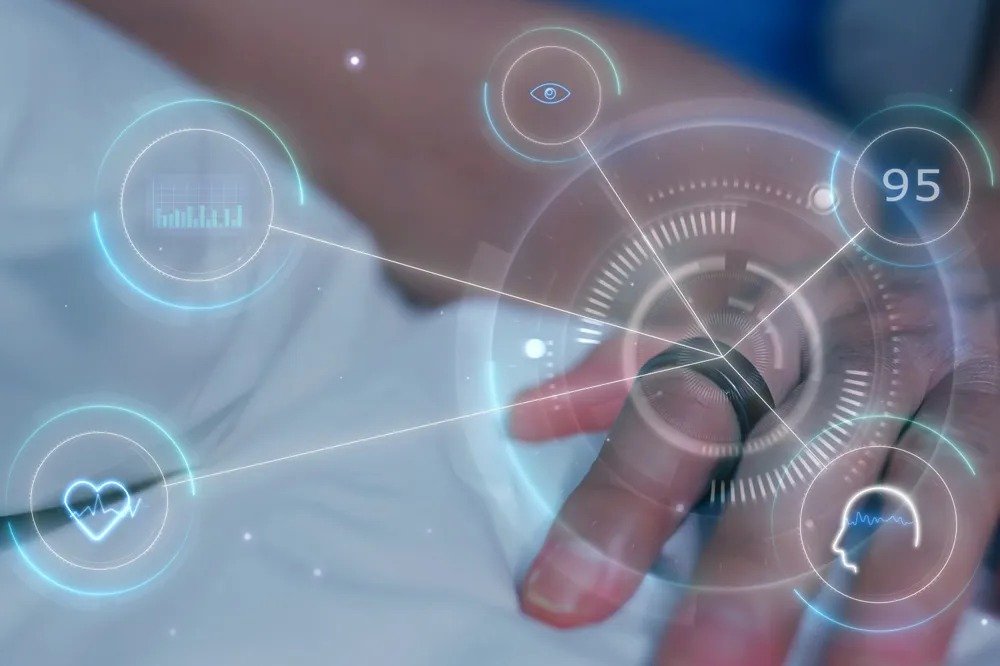
Ring with Health Insights: The Future of Smart Wellness Tracking
In the age of advanced wearable technology, health monitoring has moved far beyond traditional fitness trackers and smartwatches. A new innovation is capturing attention — the Ring with health insights. Compact, stylish, and loaded with cutting-edge sensors, this piece of technology fits seamlessly on your finger while providing powerful data about your well-being. From sleep quality to stress levels, these rings are redefining how we understand and manage our health.
Understanding the Concept of a Ring with Health Insights
A Ring with health insights is a sleek, compact wearable device that gathers data from your body in real-time. Unlike bulky fitness bands or watches, these smart rings are lightweight and designed to blend with your personal style. They use advanced biometric sensors that track various physiological parameters, offering users a detailed picture of their physical and mental health.
These rings utilize sensors such as photoplethysmography (PPG), temperature sensors, accelerometers, and even infrared LEDs to collect data. This information is then analyzed using algorithms powered by artificial intelligence (AI) to deliver meaningful insights on your health and lifestyle.
How Smart Rings Work
The technology behind rings that monitor health revolves around non-invasive sensors that collect signals from your bloodstream, skin temperature, and movement. Here’s how it typically works:
- Heart Rate Monitoring:
The ring uses optical sensors to measure your heart rate continuously. It detects blood flow variations through light reflection, offering accurate readings even while you sleep. - Sleep Tracking:
By analyzing movement, pulse, and skin temperature, the ring determines your sleep cycles, such as REM, deep, and light sleep stages. It provides detailed reports on your sleep quality, helping you understand patterns and disturbances. - Body Temperature Monitoring:
Subtle changes in skin temperature can indicate illness, menstrual cycles, or stress. Rings equipped with temperature sensors track these variations to provide early warnings of health issues. - Activity and Fitness Tracking:
These rings monitor physical activity, counting steps, calories burned, and overall activity duration. They can also detect when you’ve been inactive for too long, promoting a more active lifestyle. - Blood Oxygen Levels (SpO₂):
Some advanced models measure blood oxygen saturation, which can help detect breathing irregularities or early signs of respiratory problems. - Stress and Recovery Analysis:
Through heart rate variability (HRV) and other physiological signals, smart rings can assess stress levels, suggesting relaxation or breathing exercises when needed.
Key Features and Functionalities
1. Minimalistic Design
Unlike traditional fitness devices, these rings are small, elegant, and customizable. They often come in premium finishes like titanium, gold, or matte black, making them look like regular jewelry rather than a gadget.
2. Long Battery Life
Most rings that monitor health boast an impressive battery life of up to a week or more. Since they lack large screens and use low-power sensors, they can track continuously without frequent charging.
3. Water Resistance
Many models are water-resistant, allowing you to wear them while swimming, showering, or washing hands, without worrying about damage.
4. Connectivity and Data Sync
Smart rings connect to mobile apps via Bluetooth, syncing your health data automatically. The app then provides detailed dashboards, trends, and personalized recommendations based on your metrics.
5. AI-Driven Insights
Using AI algorithms, the ring interprets raw sensor data to generate actionable insights. For example, if your resting heart rate is elevated and your temperature is slightly higher, the app might suggest rest or hydration, predicting early signs of fatigue or illness.
Health Benefits of Using a Ring with Health Insights
1. Early Detection of Health Issues
By continuously tracking vital signs, these rings can detect subtle physiological changes that may indicate potential health problems. Early intervention becomes easier when your body’s warning signals are visible in real-time.
2. Better Sleep Management
Sleep is essential for physical and mental recovery. With detailed sleep analysis, users can identify sleep disruptions, poor sleep quality, or irregular sleep cycles and take corrective measures for improvement.
3. Stress Reduction
Continuous stress monitoring allows you to recognize triggers and patterns. The ring can prompt you to practice breathing exercises, meditation, or take breaks when stress levels are high.
4. Fitness Optimization
Athletes and fitness enthusiasts can greatly benefit from these devices. They can analyze performance, track recovery, and optimize workout intensity for better results without risking overtraining.
5. Women’s Health Tracking
Some smart rings are designed with women’s health in mind, providing insights into menstrual cycles, ovulation periods, and hormonal changes using body temperature and heart rate data.
6. Personalized Health Recommendations
The AI-driven analysis offers tailored suggestions for lifestyle changes. Whether it’s improving sleep habits, managing stress, or boosting fitness performance, the recommendations are specific to each user’s unique physiology.
Comparison with Other Wearables
While smartwatches and fitness bands have dominated the market for years, rings that monitor health offer a more discreet and comfortable alternative. Here’s how they differ:
| Feature | Smart Rings | Smartwatches | Fitness Bands |
| Design | Sleek and minimal | Bulky | Slim but visible |
| Battery Life | 5–10 days | 1–3 days | 3–7 days |
| Comfort | Lightweight and subtle | Can feel heavy | Moderate comfort |
| Screen Display | No screen | Full display | Limited display |
| Accuracy | High due to finger sensors | Moderate | Moderate |
| Usability | Ideal for sleep & recovery | Great for multitasking | Best for workouts |
Smart rings excel in continuous, passive monitoring without disrupting daily activities. Their accuracy is often superior because the finger provides better blood flow readings than the wrist.
Privacy and Data Security Concerns
With the growing reliance on wearable devices, privacy is an important consideration. Since these rings collect sensitive biometric data, manufacturers must implement robust data encryption and privacy policies. Users should always review how their health information is stored, shared, and used by third-party apps.
Most leading brands emphasize end-to-end encryption and give users full control over their data, ensuring that health metrics remain confidential and secure.
The Future of Health Monitoring Rings
The evolution of smart rings is still in its early stages, but the potential is immense. Future models may include advanced capabilities such as glucose level tracking, hydration measurement, and even ECG monitoring. Integration with telemedicine platforms could allow doctors to access real-time patient data remotely, making healthcare more proactive and personalized.
AI will continue to play a pivotal role, turning raw data into predictive health analytics. As these devices become more affordable and widely adopted, they could revolutionize preventive healthcare by empowering individuals to take charge of their well-being.
Conclusion
The Ring with health insights represents a significant step forward in the world of wearable health technology. It combines elegance, convenience, and advanced biometric tracking in a single device. These rings that monitor health are more than just fashionable accessories — they are powerful tools for understanding your body, improving lifestyle habits, and staying one step ahead of potential health issues.
As technology continues to advance, the line between fashion and function will blur even further. The smart ring, once a futuristic concept, is now a reality — silently working on your finger to keep you healthier, happier, and more informed every day.