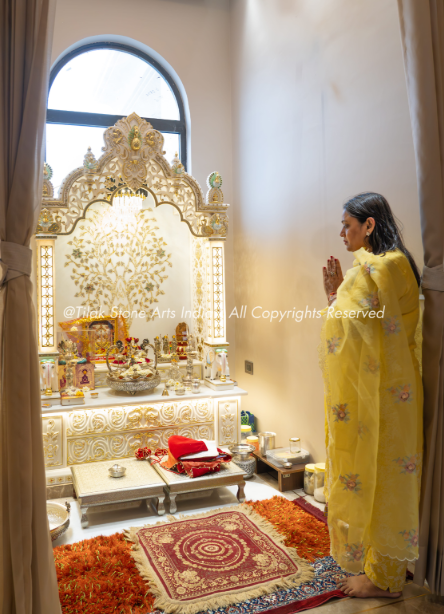
How to Choose the Perfect Mandir for your Home That Reflects Peace and Positivity
Creating a sacred space within your home requires thoughtful consideration of design, placement, and materials to be used. A well-chosen temple becomes the spiritual heart of your residence, offering a sanctuary for daily prayers and meditation. The right selection transforms an ordinary corner into a divine space that radiates tranquillity and positive energy throughout your living environment.
Selecting the ideal mandir for home involves understanding how design elements, material quality, and vastu principles work together to create an atmosphere of devotion. The temple you choose should complement your home’s architecture whilst serving as a focal point for spiritual practice. Material selection plays a particularly crucial role, as premium marble brings both aesthetic elegance and lasting durability to your sacred space.
Understanding the Spiritual Significance of Home Temples
Sacred Spaces and Daily Worship: A dedicated prayer area within your home establishes a consistent environment for spiritual practice and contemplation. This designated space helps family members maintain regular worship routines without external distractions. The psychological impact of having a permanent sacred corner cannot be understated, as it serves as a constant reminder of your spiritual commitments and values.
Energy Flow and Positive Vibrations: The presence of a thoughtfully designed temple influences the overall energy patterns within your home. Traditional beliefs suggest that sacred spaces act as conduits for positive vibrations, spreading peace throughout the household. When designed with proper attention to detail, these areas become powerful centres that uplift the emotional and spiritual wellbeing of all residents.
See also: How to Choose a Financial Advisor in Brisbane: 7 Questions You Must Ask
Material Selection for Lasting Beauty
Vietnam White Marble Excellence: The choice of marble significantly impacts both the visual appeal and longevity of your temple. Vietnam white marble, also known as Swiss white marble, offers exceptional purity and luminosity that enhances the divine atmosphere. This premium material features fine grain patterns and consistent colouring that creates an ethereal appearance, particularly when illuminated during prayer times.
Durability and Maintenance Considerations: Quality marble ensures your temple withstands years of daily use whilst maintaining its pristine appearance. Super fine white Vietnam marble possesses remarkable density that resists staining and requires minimal upkeep compared to other materials. The non-porous nature of this stone makes cleaning straightforward, allowing you to maintain sanctity without extensive maintenance routines that interrupt your spiritual practice.
Design Approaches That Enhance Devotion
Traditional Craftsmanship Versus Contemporary Aesthetics: Ancient temple designs incorporate intricate carvings and ornate details that reflect centuries of artistic tradition. These classical elements include carved pillars, jaali work, and detailed deity niches that create visual richness. Modern interpretations often simplify these features whilst retaining spiritual symbolism, offering clean lines that suit contemporary interiors without compromising sacred significance.
Customisation for Personal Preferences: Every household has unique spiritual practices and space constraints that influence temple design choices. Some families prefer elaborate structures with multiple deity spaces, whilst others favour minimalist designs focusing on a single central shrine. Consider your daily worship rituals, the number of deities you honour, and how various family members will use the space when making design decisions.
Vastu Principles for Optimal Placement
Directional Guidelines for Sacred Spaces: Ancient architectural wisdom provides specific recommendations for temple positioning within homes. The north-east corner traditionally serves as the most auspicious location, as this direction receives beneficial morning sunlight and aligns with cosmic energy flows. Alternatively, the east or north walls of your home offer suitable placements when the preferred corner remains unavailable due to structural limitations.
Height and Positioning Requirements: The temple should be positioned at an appropriate elevation, typically at chest height or slightly above, ensuring comfort during prayers. Avoid placing your mandir directly on the floor or in basement areas, as these positions contradict traditional guidelines. The space above the temple should remain open, without heavy storage or upper floor bathrooms that might compromise the sanctity of your prayer area.
Size and Space Considerations
Proportional Design for Your Home: The temple’s dimensions should harmonise with your available space without overwhelming the room or appearing cramped. A wall-mounted mandir works brilliantly for compact apartments, providing full functionality whilst conserving floor space. Freestanding structures suit larger homes where dedicated prayer rooms allow for more elaborate installations and additional storage for puja essentials.
Practical Accessibility Factors: Consider how easily family members can approach the temple for daily worship and maintenance. Sufficient space around the mandir allows comfortable seating during extended prayer sessions and accommodates multiple worshippers during festivals. Think about storage requirements for religious texts, prayer items, and offerings when evaluating different size options for your needs.
Lighting and Ambiance Elements
Creating proper illumination enhances the spiritual atmosphere and highlights intricate marble craftsmanship. Natural light from windows brings divine energy during morning prayers, whilst strategically placed lamps create warm ambience during evening worship. The interplay of light on polished marble surfaces produces a luminous effect that elevates the entire prayer experience and draws attention to carved details.
Incorporating Sacred Symbols and Decorative Elements
Traditional motifs like lotus flowers, Om symbols, and geometric patterns add layers of spiritual meaning to temple designs. These elements can be carved directly into marble surfaces or added as separate decorative pieces. The inclusion of such symbols reinforces the sacred nature of the space whilst providing visual focal points that aid meditation and concentration during prayers.
Budget Planning and Investment Value
Quality marble temples represent significant investments that serve families for generations when properly maintained. Whilst initial costs may seem substantial, the longevity and timeless appeal of premium materials justify the expenditure. Consider this purchase as a long-term spiritual investment rather than mere furniture, as a well-crafted temple becomes an heirloom piece passed down through generations.
Conclusion
Choosing the perfect home temple requires balancing spiritual requirements with practical considerations of space, budget, and design preferences. The right selection creates a sacred sanctuary that nurtures your family’s spiritual growth whilst enhancing your home’s aesthetic appeal. Take time to evaluate different options, consult with design specialists, and visualise how each choice aligns with your worship practices and spatial constraints. Begin your journey towards creating a divine space that brings lasting peace and positivity to your home today.