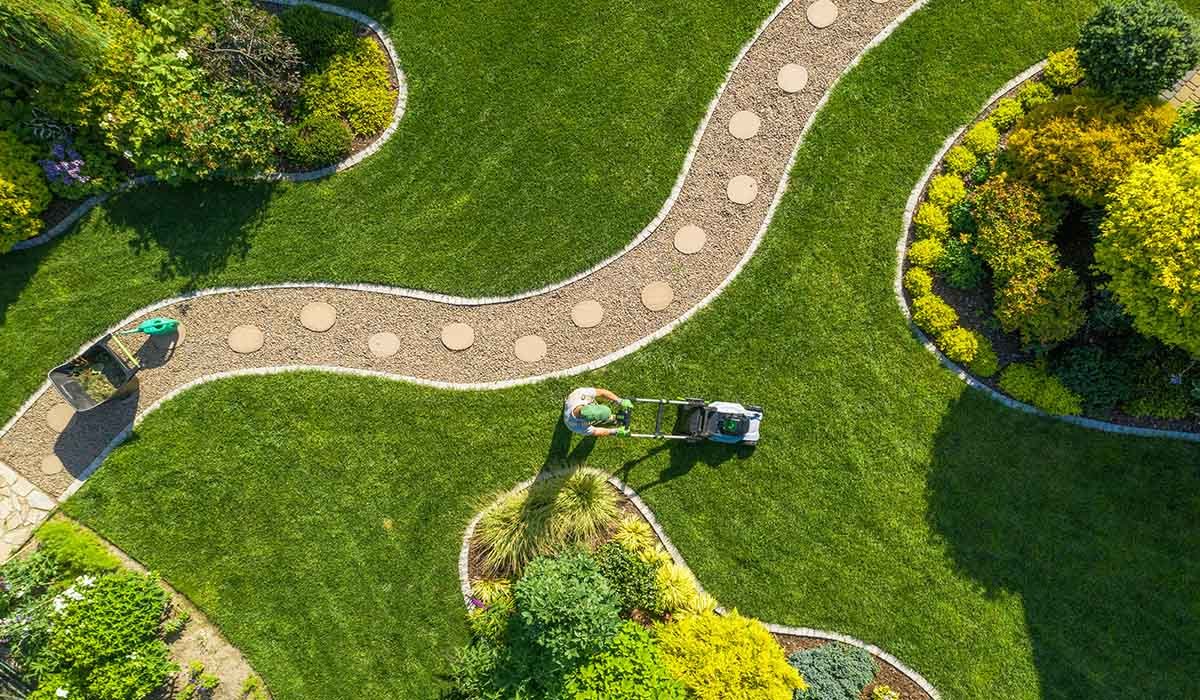
Landscaping Maintenance Tips for a Healthy and Thick Lawn
An attractive home landscape is founded on a proper lawn of greenery. Lawns make your place livable and add value to your home in the most effective manner. Having a thick and healthy lawn takes care, proper planning, and good maintenance techniques. For many homeowners, the grass is not always so green. Patchy areas, weeds, and thinning can make your lawn an eyesore. The proven landscaping maintenance strategies can turn your lawn into a vibrant outdoor space. When you incorporate consistent practices into your maintenance, you can ensure a healthy and beautiful lawn.
Learn to Mow for a Healthier Lawn
Following proper mowing practices helps in achieving grass growth and maintaining a thick lawn. If you cut the grass too short or too rarely, it stresses the grass and promotes weeds. For healthier residential lawn care, you can follow these tips:
- Regularly mow your lawn.
- Never eliminate more than one-third of the grass height at one time.
- Keep your mower blades sharp to prevent tearing.
- Seasonally adjust mowing height for optimum growth.
Watering Methods for Full Growth
Don’t skip watering your lawn even if it was raining a day prior. Deep watering produces a strong rooting system and a healthier area. Here are a few tips to water your lawn:
- Watering in the early morning reduces evaporation.
- Water your lawn thoroughly every week.
- Water your plants deeply but infrequently.
- Employ irrigation systems or sprinklers for a uniform delivery of water.
Nourishing Soil for Growth
Thick grass requires proper nutrients and grass selection. Through fertilization and proper soil care, grass plants will receive the amount of nitrogen, phosphorus, and potassium they need.
- Make regular analyses of the soil for deficiencies.
- Use slow-release fertilizers for regular feeding.
- Make sure you follow fertilizer schedules seasonally.
- Over-fertilization can cause burning grass and promote weeds.
Preventing and Controlling Weeds
Weeds outcompete grass for nutrients, moisture, and sunlight, making lawns thin and patchy. Weed control makes sure your lawn is dense and uniform. The following tips by a Dallas residential landscaping expert can help you control and prevent weeds:
- Manually pull weeds or spray targeted herbicides.
- Use pre-emergent applications in early spring.
- To prevent weeds, mow and fertilize properly.
- Overseed thinning areas of landscaping to reduce weeds.
See also: Transforming Business Waste Into Revenue Through Metal Recycling Service
Controlling Soil Compactness
With compact soil, roots can’t absorb nutrients or water. When you introduce air into your lawn, it improves soil structure, root growth, and thickness.
- Aerate lawns at least once a year, ideally in the spring or fall.
- Employ core aerators for the removal of soil plugs.
- Pay attention to high-traffic areas to relieve compaction.
- For optimum results, aerate and overseed together.
A Nutrient-rich Lawn Requires Overseeding
By overseeding the lawn, one can fill in the bare spots. It’s this step that can be most vital for the lawn that’s older, diseased, or seeing too much foot traffic.
- Select turf seed that suits your existing lawn variety.
- Loosen surface soil with a rake and bring it level.
- Distribute the seed evenly, then lightly rake it in to ensure contact with the soil.
- Water gently and consistently until new grass is established.
Handling of Disease and Pests
Pests and diseases can enfeeble the grass; hence, you can have a thin lawn. It’s best to identify and prevent the issue as early as possible to maintain your lawn’s health.
- By looking at your lawn frequently, ensure that it does not contain any pests or diseases.
- Use organic or chemical measures as necessary.
- Refrain from overwatering to avoid fungi.
- To minimize risk, mow, fertilize, and improve airflow.
Lawn Care By Season
Lawn care must take into account the changing seasons, weather-wise. Modify your care routine for year-round health and resilience. Here are some of the techniques used by landscaping companies in Dallas TX for lawn care as per season:
- Feed, aerate and overseed in spring.
- Summer watering and mowing schedules.
- During Autumn, rake leaves, fertilize the lawn, and prepare the lawn for winter.
- In winter, reduce foot traffic to prevent soil compaction.
Garden Maintenance Equipment and Machinery
Tools and Equipment make maintenance easier, more effective and safer. Sustaining your equipment helps cut down on lawn stress.
- Maintain mower blades’ sharpness and proper adjustment.
- To undertake essential tasks, employ a garden rake, aerator, and spreader.
- Ensure your irrigation systems are working
- If you store your tools the right way, they will perform better and last longer.
Why Choose Legacy Outdoor Concepts as Your Landscape Architect Dallas Texas?
The Legacy Outdoor Concepts is one of the top landscaping companies in dallas tx to hire for your lawn care and maintenance. You can ensure the following benefits for your lawn or landscaping:
- Customized care and maintenance for residential and commercial lawn care.
- Weather and climate-based plants.
- Well-designed landscaping to maintain visual appeal.
Conclusion
For a healthy lawn, you will need to regularly mow, water, fertilize, aerate, and control pests. Homeowners can ensure their lawn is vibrant and resilient by practicing seasonally, improving soil health and using the right tools. With landscaping maintenance, your lawn will look good and remain strong, all while being less susceptible to weeds, pests, and environmental stressors throughout the year.