Drain Camera Inspection: Quick Guide to Locating Blockages and Preventing Repairs
You want a fast, accurate way to see what’s happening inside your pipes without tearing up floors or yards. A drain camera inspection gives you a clear, real-time view of clogs, cracks, root intrusions, and pipe material so you can make the right repair decisions quickly and avoid costly guesswork.
This post explains what a drain camera inspection involves, how professionals use it, and the practical benefits it delivers for homeowners and contractors. Expect clear guidance on when a camera inspection makes sense and how it can save time, money, and headaches on both small clogs and major sewer issues.
What Is Drain Camera Inspection?
A drain camera inspection lets you see inside pipes without digging. It pinpoints clogs, cracks, root intrusions, corrosion, and joint misalignment so you can decide repairs based on evidence, not guesswork.
How Drain Cameras Work
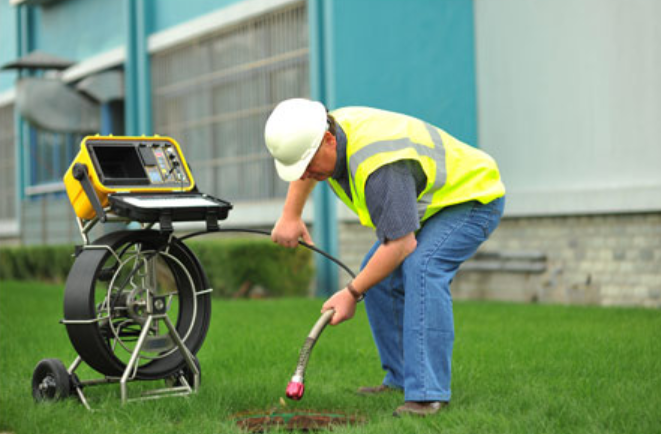
You feed a waterproof, high-resolution camera attached to a flexible cable into the pipe through a cleanout or access point. The camera transmits live video to a monitor while recording time-stamped footage and still images for later review.
Most units include LED lighting, a keyed distance meter, and sometimes a sonde (radio transmitter) so you can locate the camera head above ground. Technicians maneuver the cable past bends and record problem areas, noting pipe diameter and orientation. The inspection typically takes 15–60 minutes for a residential run, depending on length and obstructions.
Types of Drain Cameras
Push rod cameras: compact heads on flexible rods for 1–6 inch pipes. They work well for household drains and lateral lines.
Crawler cameras: motorized units that drive through larger mains (typically 6 inches and up). They handle long runs, heavy deposits, and provide stabilized imaging.
Pan-and-tilt and pan-tilt-zoom (PTZ) heads: offer 360° rotation and zoom for detailed assessment of joints, corrosion, or root encroachment. Locateable sondes: let you map the pipe route and depth from above ground. Choose based on pipe size, length, access difficulty, and whether you need distance/location data.
Comparison to Traditional Inspection Methods
Visual and probing methods: flashlight checks and augers only inspect accessible fixtures and often miss subsurface damage. Excavation: provides full access but requires digging, higher cost, and longer disruption.
Drain camera inspection is non-invasive and faster; it reduces the need for exploratory digging by showing exact problem type and location. It also documents the pipe condition for insurance, home inspections, or contractor estimates. However, cameras cannot always clear heavy blockages—augering or hydro-jetting may still be required after diagnosis.
Benefits and Applications of Drain Camera Inspection
Drain camera inspection gives you direct visual evidence of pipe conditions, pinpoints failure locations, and helps you choose minimally invasive repairs. It supports scheduled maintenance and often reduces overall repair time and cost.
Accurate Diagnosis of Pipe Issues
You see the exact problem before you start work. High-definition cameras reveal blockages, root intrusions, cracked joints, corroded sections, sags, and joint misalignments so you avoid guesswork.
Use timestamps and distance markers on the video to locate issues precisely. That lets you plan repairs at a specific depth and location, reducing unnecessary digging or disruptive wall openings.
You can document conditions with still images and video clips for customer reports, insurance claims, or to compare before-and-after results. Real-time footage also lets you assess whether a partial repair will suffice or a full section replacement is needed.
Preventative Maintenance Uses
You can schedule inspections after heavy landscaping, tree planting, or before remodeling to detect early root growth or accumulating scale. Annual or biennial camera checks catch small intrusions or grease buildup before they cause backups.
Create a baseline video record of pipeline condition for properties you manage. That record helps prioritize segments for cleaning (hydro-jetting) or lining and supports targeted maintenance rather than broad, reactive work.
Inspections after major repairs verify workmanship and confirm flow restoration. They also help you monitor aging systems to plan phased upgrades and budget appropriately.
See also: Tips for Buying Homes in Zibata, Monterrey
Cost and Time Efficiency
Camera inspections cut labor and material waste by directing crews to the exact repair spot. You save on excavation, demolition, and restoration costs when you avoid exploratory digging.
Faster diagnosis reduces downtime for tenants or business operations. Quick identification of the failure type — e.g., soft clog vs. collapsed pipe — lets you choose the least expensive effective method, such as snaking, jetting, relining, or replacement.
Presenting clear footage to stakeholders speeds approval and procurement. That reduces project delays and helps you control contingency costs.