Retail Shop Fitouts in Brisbane: A Complete Guide to Designing High-Performing Retail Spaces
The retail landscape in Brisbane is continuously evolving. As consumer expectations increase and competition among retailers intensifies, creating a visually captivating, functional, and customer-centric store environment has become essential. A well-executed retail shop fitout does more than make a space look appealing — it improves the shopping experience, influences buying decisions, and strengthens customer loyalty.
This in-depth guide explores everything you need to know about retail shop fitouts in Brisbane, from planning and design to layout strategies, visual merchandising, compliance, budgeting, and current trends shaping the retail industry.
What Is a Retail Shop Fitout?
A retail shop fitout involves transforming an empty or existing retail space into a fully functional store environment that aligns with the retailer’s brand identity, products, and customer needs. It includes:
- Layout planning and space utilisation
- Interior design and styling
- Construction and installation
- Shelving, joinery, and display units
- Lighting and electrical work
- Flooring and wall finishes
- Point-of-sale (POS) counter design
- Storage and back-of-house solutions
- Signage and visual merchandising
- Technology setup
A successful fitout enhances flow, improves customer experience, and encourages shoppers to stay longer and purchase more.
Why Retail Shop Fitouts Are Essential in Brisbane
1. A Growing Retail Market
Brisbane’s booming commercial and retail environment — from boutique stores to shopping centres — demands stores that stand out and engage modern shoppers.
2. Rising Customer Expectations
Today’s consumers want immersive shopping experiences, seamless navigation, and inviting store atmospheres.
3. Changing Retail Trends
Hybrid shopping models, experiential retail, and digitally integrated spaces are reshaping how retail stores operate.
4. Brisbane’s Urban Development
New shopping precincts and ongoing commercial expansions have increased demand for high-quality shop fitouts.
5. Competitive Advantage
An attractive, well-planned store can significantly influence customer perceptions and boost conversion rates.
Types of Retail Shop Fitouts in Brisbane
Retail environments vary widely depending on the business model. Common types include:
1. Boutique Fitouts
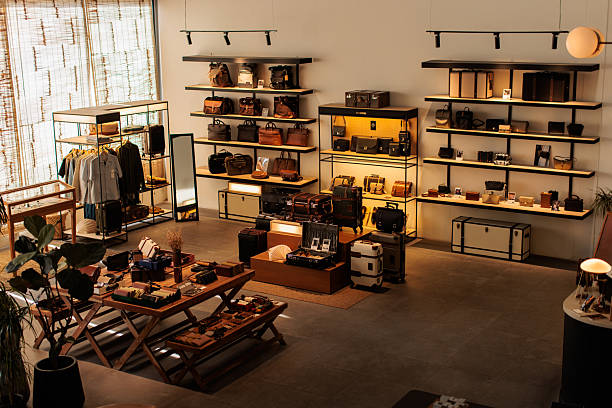
Tailored designs focusing on aesthetics, uniqueness, and strong visual presence. Ideal for fashion, accessories, and bespoke retail stores.
2. Specialty Store Fitouts
Function-driven designs for electronic stores, pet shops, homewares, and speciality retailers.
3. Pop-Up Retail Fitouts
Temporary but impactful setups designed to quickly attract attention and promote specific products or events.
4. Shopping Centre Tenancy Fitouts
Compliant designs for retailers located inside major Brisbane shopping centres, following strict guidelines and standards.
5. Hospitality-Retail Fitouts
Retail environments that combine food, drinks, and product displays — for example, cafés with retail sections or lifestyle stores.
Key Elements of an Effective Retail Shop Fitout
1. Strategic Store Layout
The layout determines how customers move through the space. Common retail layouts include:
- Grid Layout: Efficient and ideal for larger shops or stores with extensive inventory.
- Loop/Racetrack Layout: Guides shoppers along a predetermined path for increased product exposure.
- Free-Flow Layout: Offers flexibility and creates relaxed, inviting shopping experiences, perfect for boutique stores.
A well-designed layout enhances customer circulation and encourages product discovery.
2. Visual Merchandising
Visual merchandising is one of the most impactful components of a shop fitout. It includes:
- Window displays
- Feature walls
- Product groupings
- Theming and seasonal displays
- Creative signage and graphics
- Lighting to highlight key products
These elements influence customer behaviour and draw attention to high-margin items.
3. Lighting Design
Lighting sets the mood and guides customer focus. It can be categorized into:
- Ambient lighting: General illumination for overall visibility.
- Task lighting: Focused lighting for POS counters or product shelves.
- Accent lighting: Highlights specific displays and creates visual contrast.
LED lighting solutions are common due to their energy efficiency and long lifespan.
4. Shelving, Display Units & Joinery
Retail displays should be functional, durable, and aligned with the store’s aesthetic. Popular options include:
- Modular shelves
- Wall-mounted displays
- Timber or metal racks
- Glass cabinets
- Countertop displays
- Custom joinery
The right displays showcase products effectively while supporting smooth customer flow.
5. Flooring & Wall Finishes
Flooring in retail spaces must handle high foot traffic and reflect the store’s theme. Options include:
- Vinyl
- Laminate
- Timber
- Polished concrete
- Tiles
Wall finishes such as textured panels, wallpapers, paint, and cladding add personality and style.
6. Technology Integration
Modern retail relies heavily on technology. Fit outs often include:
- POS systems
- Digital screens and signage
- Security cameras
- Wi-Fi systems
- Interactive displays
- Smart lighting controls
Technology enhances the shopping experience and streamlines store operations.
7. Storage & Back-of-House Planning
Storage is often overlooked but is essential for inventory organisation. Proper stockroom design ensures:
- Faster replenishment
- Improved stock management
- Better workflow for staff
Effective back-of-house planning increases efficiency and reduces clutter on the shop floor.
See also: StackMatix: The Practical Digital Partner Small Businesses Actually Use
Planning Your Retail Shop Fitout in Brisbane
1. Identify Your Store’s Purpose & Vision
Start by defining:
- Your target customers
- Product types
- Desired store atmosphere
- Functional needs
Having a clear vision ensures every design element works toward the same goal.
2. Conduct a Site Assessment
A professional assessment helps determine:
- Space limitations
- Structural considerations
- Lighting conditions
- Ventilation and access points
- Compliance requirements
This helps avoid unexpected challenges during construction.
3. Create a Fitout Budget
Key cost factors include:
- Design and planning
- Construction and labour
- Custom joinery
- Electrical and lighting work
- Signage and graphics
- Flooring and paint
- Fixtures and furniture
- Technology installations
A realistic budget helps prevent overruns and ensures quality outcomes.
4. Develop a Concept Design
This stage involves creating:
- Mood boards
- 3D renderings
- Colour palettes
- Material selections
- Concept layouts
Concept design transforms your vision into a visual plan.
5. Ensure Compliance With Brisbane Regulations
Fitouts must adhere to:
- Queensland Building and Construction Commission (QBCC) standards
- Workplace health and safety guidelines
- Fire safety rules
- Shopping centre tenancy requirements (if applicable)
- Disability access regulations
Compliant designs prevent costly delays and ensure safety.
6. Construction & Installation
This includes:
- Carpentry and joinery
- Electrical and plumbing
- Flooring installation
- Painting and finishes
- Shelving and display installation
- POS setup
Quality workmanship ensures durability and longevity.
7. Final Inspection & Store Launch
After installation:
- The space is inspected for safety, finish, and functionality.
- Fixtures and fittings are tested.
- The store is prepared for opening.
Once complete, your store is ready to welcome customers.
Current Trends in Retail Shop Fitouts in Brisbane
1. Experience-Driven Layouts
Retailers are adding interactive features such as:
- Demo stations
- Product testing areas
- Immersive displays
These elements make shopping more memorable.
2. Sustainable Fitout Designs
Eco-friendly materials and energy-efficient lighting are increasingly popular.
3. Minimalist Interiors
Clean lines, soft colours, and uncluttered spaces help highlight products more effectively.
4. Industrial-Chic Themes
Exposed brick, metal fittings, and raw timber create modern and stylish retail environments.
5. Biophilic Elements
Plants, natural textures, and organic designs help create calm, inviting spaces.
6. Flexible Display Systems
Modular displays allow stores to refresh layouts frequently with minimal effort.
Tips for a Successful Retail Fitout
- Focus on customer flow and ease of navigation.
- Use lighting strategically to influence buying behaviour.
- Incorporate flexible display units for seasonal changes.
- Choose durable materials to withstand heavy foot traffic.
- Prioritise comfort — customers stay longer in inviting spaces.
- Keep back-of-house operations organised.
- Ensure technology supports your sales and operational needs.
- Consider future trends and scalability.
Conclusion
Retail shop fitouts in Brisbane play a crucial role in defining how customers perceive your brand, interact with your products, and ultimately decide to buy. A thoughtfully designed space enhances the shopping experience, boosts sales, and sets your store apart in a competitive market. With strategic layout planning, quality materials, smart technology, and visually compelling displays, retailers can create stores that inspire customers and support long-term business growth.